GLPro Ingredients: All 5 Explained
The five ingredients the GLPro team lists: what each one is, where it comes from, what it has been studied for and what we don't know.
GLPro's formula, as listed by the GLPro team, has three plant ingredients (berberine, cinnamon bark and bitter melon) and two nutrients (chromium and alpha lipoic acid). Each one has human research on healthy glucose metabolism. The brand calls the formula a proprietary blend and doesn't publish the amount of each ingredient, which is the biggest gap in what we know.
A note on other ingredient lists: some GLPro websites list 6, 11 or 14 ingredients, often with different names. None of them show a real Supplement Facts label. We use the five ingredients from the seller's own affiliate materials. If your bottle's label differs, trust the label.
The five ingredients at a glance
| Ingredient | Type | Key compounds or common forms | Why it's included | Research |
|---|---|---|---|---|
| Berberine | Botanical | Berberine (an alkaloid), Berberine hydrochloride | Bright-yellow plant compound studied for glucose metabolism. | Well studied |
| Cinnamon bark | Botanical | Cinnamaldehyde, Type A procyanidins | The kitchen spice studied for healthy glucose levels. | Well studied |
| Bitter melon | Botanical | Charantin, Polypeptide-p | Traditional Asian gourd for healthy blood sugar. | Promising |
| Alpha lipoic acid | Nutrient | R-lipoic acid, Dihydrolipoic acid | Antioxidant studied for normal insulin sensitivity. | Well studied |
| Chromium | Nutrient | Chromium picolinate, Chromium nicotinate | Trace mineral that helps insulin do its job. | Promising |
For chromium, the GLPro team names the picolinate form. For the other ingredients the brand doesn't state the extract type or strength.
Ingredients grouped by what they support
Several ingredients do more than one job, so a few appear in more than one group.
Healthy glucose levels
All five have human studies on fasting or after-meal glucose.
Insulin's normal work
Help the body respond to its own insulin and move glucose into cells.
Antioxidant protection
Help protect cells from the everyday oxidative stress linked with high glucose.
Blood fat metabolism
Also studied for healthy triglyceride and cholesterol levels.
The 3 botanicals
Plant ingredients with long traditional use in Asia and the Middle East, now studied in modern human trials.

Berberine
Well studiedA bitter yellow plant compound studied for glucose
A yellow compound from plants such as barberry and goldenseal. It is one of the most researched plant compounds for healthy glucose and blood fat metabolism, though most trials were small. It interacts with several medicines, so ask your pharmacist first.
- Also known as
- Berberine HCl, from barberry and goldenseal
- Comes from
- Roots and bark of barberry and goldenseal
- Studied for
- Normal glucose metabolism
- Healthy cholesterol levels
- Body weight and waist size
- Compounds / forms
- Berberine (an alkaloid)Berberine hydrochlorideRelated plant alkaloids
- Amounts used in studies
- About 1,000 to 1,500 mg a day, split into 2 or 3 doses
Good to know: Can upset the stomach and interacts with many medicines. Not for pregnancy.
Read the full berberine guide →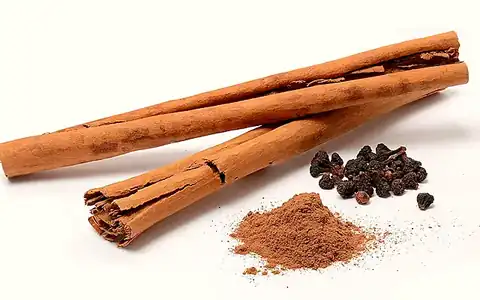
Cinnamon bark
Well studiedThe kitchen spice studied for healthy blood sugar
One of the best-researched spices for metabolic health, studied for healthy fasting glucose and blood fats. Results vary between studies and cinnamon types; the brand doesn't say which type it uses.
- Also known as
- Cassia, Ceylon or true cinnamon
- Comes from
- Inner bark of Cinnamomum trees in Asia
- Studied for
- Fasting blood sugar
- After-meal glucose response
- Cholesterol and triglycerides
- Compounds / forms
- CinnamaldehydeType A procyanidinsCoumarin (mostly cassia)
- Amounts used in studies
- Often 1 to 6 g of powder a day; extracts use less
Good to know: Cassia has coumarin, a liver concern at high intake. GLPro doesn't name the type.
Read the full cinnamon bark guide →
Bitter melon
PromisingA bitter tropical gourd with a long traditional history
A bumpy green gourd used for centuries in Asian and Ayurvedic cooking and traditions. Human trials are mixed: some show support for healthy blood sugar, while one review found the evidence too limited to be sure.
- Also known as
- Bitter gourd, karela, ampalaya, goya
- Comes from
- Tropical Asia; grown in Africa, Caribbean
- Studied for
- Normal glucose metabolism
- Glucose uptake by cells
- Traditional sugar balance
- Compounds / forms
- CharantinPolypeptide-pMomordicosides
- Amounts used in studies
- About 0.5 to 3 g dried fruit a day in studies
Good to know: Avoid if pregnant or G6PD deficient; may add to blood sugar medicine
Read the full bitter melon guide →The 2 nutrients
A trace mineral that insulin needs and an antioxidant your body also makes in small amounts.

Alpha lipoic acid
Well studiedThe antioxidant your cells use to turn glucose into energy
An antioxidant your body also makes on its own. Studies show support for normal insulin sensitivity and glucose control, and it helps protect cells from everyday oxidative stress.
- Also known as
- Lipoic acid, thioctic acid, ALA
- Comes from
- Made in the body; organ meats, spinach
- Studied for
- Normal glucose metabolism
- Insulin sensitivity
- Antioxidant support
- Compounds / forms
- R-lipoic acidDihydrolipoic acidLipoyllysine (food form)
- Amounts used in studies
- 300 to 600 mg a day in most studies
Good to know: May lower blood sugar and affect thyroid medicine; ask your doctor first
Read the full alpha lipoic acid guide →
Chromium
PromisingA trace mineral studied for normal glucose metabolism
A trace mineral that helps insulin work normally. Some studies show support for healthy blood sugar control, mostly in people who were low in chromium; results differ by form and dose.
- Also known as
- Chromium picolinate, trivalent chromium
- Comes from
- Trace mineral in grains, meat and broccoli
- Studied for
- Normal glucose metabolism
- Insulin response
- Appetite and body weight
- Compounds / forms
- Chromium picolinateChromium nicotinateChromium chloride
- Amounts used in studies
- Usually 200 to 1,000 mcg a day in research
Good to know: Take thyroid pills hours apart from it. Ask first if you have kidney disease.
Read the full chromium guide →How the ingredients work together
Healthy glucose metabolism
Berberine, cinnamon and bitter melon have been studied for healthy fasting and after-meal glucose levels.
3 ingredientsInsulin's normal work
Chromium helps insulin move glucose into cells, and alpha lipoic acid has been studied for normal insulin sensitivity.
2 ingredientsAntioxidant protection
Alpha lipoic acid, plus the polyphenols in cinnamon and bitter melon, help protect cells from everyday oxidative stress.
3 ingredientsHow to get the most from the formula
- Read your label first. Check the amounts on the bottle and show it to your pharmacist if you take any medicine.
- Be consistent. 1 capsule a day, ideally with a meal and at the same time each day.
- Pair it with good habits. Fiber, a short walk after meals and good sleep support the same goals (see our daily habits guide).
- Keep taking your medicine and keep your doctor in the loop.
- Use the 60-day window. Decide before day 60 whether it suits you.
Ingredient questions
How many ingredients are in GLPro?
The GLPro team lists 5 ingredients: berberine, chromium (picolinate), cinnamon bark extract, alpha lipoic acid and bitter melon. Some other websites list different or longer ingredient lists, but none of them show a real label, so we stick to what the seller's own materials say.
How much of each ingredient is in a capsule?
We don't know. The official website shows no Supplement Facts label and calls the formula a proprietary blend. Check the label on your bottle and show it to your doctor or pharmacist if you take any medication.
Does GLPro contain stimulants?
None of the five listed ingredients is a stimulant like caffeine. The brand doesn't make a stimulant-free claim, so check your label.
Which ingredients should I ask my doctor about?
All of them if you take medicine for blood sugar, because they can add to its effect. Berberine also changes how the liver processes several drugs, chromium and alpha lipoic acid can affect thyroid medicine, and bitter melon and berberine aren't advised in pregnancy.
Why does the label say Natural GLP-1 Booster?
GLP-1 is a gut hormone involved in appetite and blood sugar. Some lab and early human research suggests berberine may influence GLP-1 release, but GLPro contains no GLP-1 medicine and hasn't been tested as a GLP-1 product. Our GLP-1 explainer covers the difference.
How should I take GLPro?
Each 30-capsule bottle is sold as a 30-day supply, so 1 capsule a day. Follow the directions on your bottle; taking it with a meal is gentler on the stomach.
Read our full GLPro review
Ingredients, price, the 60-day guarantee and our 3.9/5 verdict, all on one page. Ready to order? Buy from the official website so the money-back guarantee covers you.
Research and sources
- BerberineLan J, et al. Meta-analysis of the effect and safety of berberine in the treatment of type 2 diabetes mellitus, hyperlipemia and hypertension. J Ethnopharmacol. 2015 PMID 25498346
Pooled randomized trials of berberine on glucose, blood fat and blood pressure markers, plus its safety. Most trials were small and from China. - BerberineDong H, et al. Berberine in the treatment of type 2 diabetes mellitus: a systemic review and meta-analysis. Evid Based Complement Alternat Med. 2012 PMID 23118793
Earlier review of berberine trials on glucose control. The authors called for larger, better designed studies. - CinnamonAllen RW, et al. Cinnamon use in type 2 diabetes: an updated systematic review and meta-analysis. Ann Fam Med. 2013 PMID 24019277
Pooled trials of cinnamon on fasting glucose and blood fats. Doses and cinnamon types varied a lot between studies. - ChromiumSuksomboon N, et al. Systematic review and meta-analysis of the efficacy and safety of chromium supplementation in diabetes. J Clin Pharm Ther. 2014 PMID 24635480
Reviewed chromium trials on glucose control and safety; results differed by chromium form and dose. - Alpha lipoic acidAkbari M, et al. The effects of alpha-lipoic acid supplementation on glucose control and lipid profiles among patients with metabolic diseases. Metabolism. 2018 PMID 29990473
Meta-analysis of randomized trials on alpha lipoic acid, glucose control and blood fat profiles. - Bitter melonZhang X, et al. Effects of Momordica charantia L. supplementation on glycemic control and lipid profile in type 2 diabetes mellitus patients. Heliyon. 2024 PMID 38784554
Systematic review and meta-analysis of randomized bitter melon trials on glucose and blood fat markers. - Bitter melonLaczkó-Zöld E, et al. The metabolic effect of Momordica charantia cannot be determined based on the available clinical evidence. Front Nutr. 2023 PMID 38274207
A more cautious review that found the existing trials too limited to draw firm conclusions. We include it so you see both sides.
- NIH Office of Dietary Supplements fact sheet: Chromium (ods.od.nih.gov)
- NCCIH: Cinnamon; Berberine (nccih.nih.gov)
- MedlinePlus herbs and supplements: Bitter melon, Alpha-lipoic acid (medlineplus.gov)